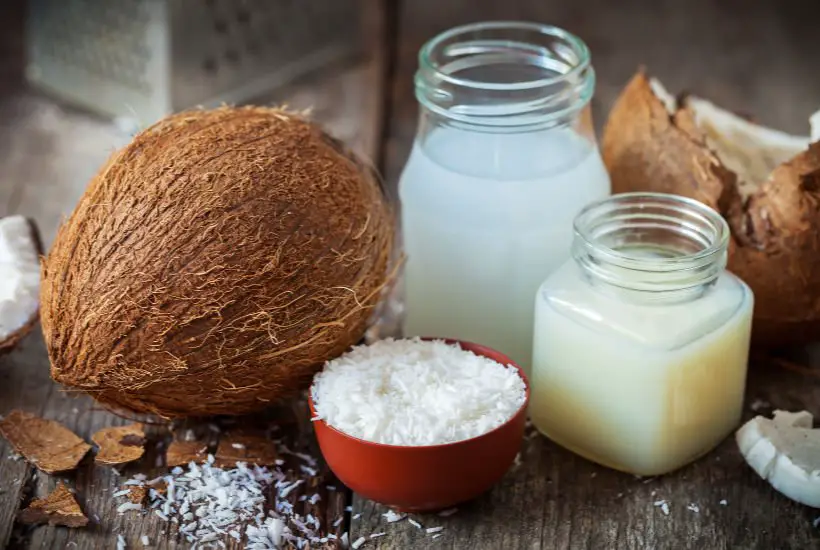
Make Pure Cold-Pressed VCO: Simple At-Home DIY Guide
The phrase "cold-pressed virgin coconut oil" often conjures images of exotic health stores and premium price tags. Yet, the truth is far more accessible and, dare we say, utterly satisfying. Making your own pure, aromatic virgin coconut oil (VCO) at home is not a mystical process reserved for wellness gurus; it's one of the simplest and most rewarding kitchen projects you can undertake. With just a couple of coconuts, a blender, and a touch of patience, you can transform humble fruit into a liquid gold packed with flavor and benefits. This comprehensive guide will walk you through the **diy how to make virgin coconut oil** process, demystifying cold-pressing and empowering you to create a pantry staple that's truly extraordinary.
Why DIY Your Virgin Coconut Oil? The Unbeatable Benefits
In a world filled with processed foods, the ability to create something so pure and natural in your own kitchen is a powerful thing. While store-bought coconut oils are readily available, there's a world of difference when you compare them to their homemade counterparts.
*
Unrivaled Freshness & Aroma: Store-bought oils, even those labeled "virgin," can never quite capture the vibrant, sweet, and tropical aroma of freshly made VCO. Yours will smell like an actual coconut grove, not a factory.
*
Purity You Can Trust: When you undertake the **diy how to make virgin coconut oil** journey, you control every single ingredient. Spoiler alert: it's just coconut! No hidden chemicals, no questionable processing aids, no deodorizers. You know exactly what you're putting into and onto your body.
*
Nutrient Integrity: The cold-press method, which we’ll delve into, specifically avoids high heat. This is crucial because delicate nutrients, antioxidants, and beneficial fatty acids (like medium-chain triglycerides, or MCTs) found in coconuts are preserved, offering maximum health benefits.
*
Cost-Effective Luxury: Once you factor in the cost of quality store-bought VCO, especially the truly raw and cold-pressed varieties, making your own can be significantly more economical in the long run, particularly if you're a frequent user.
*
Empowering & Sustainable: There's a profound sense of accomplishment in crafting something so valuable from scratch. Plus, you reduce packaging waste and connect more deeply with your food sources.
For a deeper dive into why homemade truly reigns supreme, check out our article on
Homemade VCO vs. Store-Bought: Why Fresh Beats Processed.
Understanding Cold-Pressed VCO: The Purest Extraction Method
The term "cold-pressed" is key to understanding the quality of your homemade virgin coconut oil. It refers to an extraction method that intentionally avoids introducing high heat or chemical solvents. Unlike conventional methods that might use heat to increase oil yield or chemicals to refine and deodorize the oil, cold pressing relies on natural separation.
Here's how it works at home: You extract fresh coconut milk, and then, simply by letting it sit at room temperature, the oil naturally separates from the water and other solids. This process, often referred to as "wet milling" in its broader context, emphasizes the natural enzymatic breakdown and gravitational separation. By skipping boiling, simmering, or roasting, the oil retains its original composition – its distinct aroma, natural flavor compounds, and powerful antioxidants remain intact. It's the closest you can get to raw, unprocessed coconut goodness without specialized industrial equipment. This gentle approach ensures your homemade VCO is a vibrant, living product, bursting with all the goodness nature intended.
To truly appreciate the authentic taste this method unlocks, explore
Unlock Real Coconut Flavor: Easy Cold-Pressed Oil at Home.
Your Step-by-Step Guide: DIY How to Make Virgin Coconut Oil
Ready to embark on this tropical adventure? Here’s everything you need to know to make your own pure, cold-pressed virgin coconut oil.
Ingredients & Equipment:
- 2-3 mature brown coconuts (choose coconuts that feel heavy for their size, have no cracks, and slosh with water when shaken)
- A splash of warm, filtered water (not hot, just slightly warmer than room temperature, to aid blending)
- A sturdy coconut grater or a powerful blender/food processor
- Cheesecloth or a clean, fine-weave cotton cloth (like a flour sack towel)
- A large bowl for collecting milk
- A fine-mesh sieve or coffee filter (for final straining)
- A clean glass jar with a lid for storage
Preparation Steps:
- Open the Coconuts & Scrape the Meat: This is often the trickiest part! Use a hammer or a cleaver to carefully crack the coconut open. Drain the water (you can drink it or add it to your smoothie!). Once open, use a strong spoon, a butter knife, or a specialized coconut scraper to meticulously remove all the white flesh from the hard shell. The more meat you get, the more oil you’ll yield.
- Grate or Blend the Coconut Flesh:
- If grating: Use a traditional coconut grater to finely shred the coconut meat.
- If blending: Chop the coconut flesh into smaller pieces (about 1-inch cubes) to protect your blender blades. Place the chopped coconut into your blender. Add just enough warm water to cover the coconut and create a thick, creamy mixture – usually about 1/2 to 1 cup per coconut. Blend on high until a smooth, thick paste forms.
- Extract the Coconut Milk: Place your cheesecloth or cotton cloth over the large bowl. Spoon the grated or blended coconut pulp into the center of the cloth. Gather the edges of the cloth, twist it tightly, and squeeze with all your might. The fresh, creamy coconut milk will flow into your bowl. Repeat the squeezing process several times, wringing out as much liquid as possible. For maximum yield, you can add a little more warm water to the squeezed pulp, knead it, and squeeze again.
- The Separation Process (The Magic of Cold-Pressing):
- Cover the bowl of fresh coconut milk with a clean cloth or lid.
- Let it sit undisturbed at room temperature for 24 to 36 hours. The ideal temperature for separation is typically between 25-30°C (77-86°F). If your home is cooler, it might take a bit longer.
- During this time, the milk will naturally separate into three distinct layers:
- A clear, yellowish oil layer on top.
- A thick, white curd layer (coconut protein) in the middle.
- A watery layer at the bottom.
This is the natural cold-pressing action at work, where the oil, being lighter, floats to the surface.
- Scoop & Strain the Oil: Gently, using a clean spoon, carefully scoop off the top layer of pure virgin coconut oil. Try to avoid scooping up too much of the white curd layer underneath. As you scoop, transfer the oil into a fine-mesh sieve lined with a coffee filter or another piece of cheesecloth, placed over your clean glass jar. This final straining step will ensure your oil is clear and free of any lingering solids or water droplets.
- Store Your Liquid Gold: Pour the strained, pure virgin coconut oil into your clean glass jar. Seal it tightly and store it in a cool, dark place away from direct sunlight. Homemade cold-pressed VCO typically has a shelf life of several months to a year, especially if properly strained and stored.
Beyond the Bottle: Creative Uses for Your Homemade Liquid Gold
Congratulations! You've successfully completed the **diy how to make virgin coconut oil** process and now have a jar of pure, unadulterated goodness. But what can you do with this versatile elixir? The possibilities are endless!
In the Kitchen:
- Healthy Frying: Its high smoke point makes it excellent for frying eggs, plantains, tofu, or even pancakes, imparting a subtle tropical hint.
- Baking & Roasting: Substitute butter or other oils in cookies, cakes, granola bars, or roasted vegetables for a fragrant twist.
- Smoothie Booster: Stir a tablespoon into your morning smoothie for a creamy texture and a boost of healthy fats.
- Flavor Enhancer: Drizzle over popcorn instead of butter, add to curries for a rich finish, or stir into oatmeal.
- Tropical Touch: Use it to sauté seafood or vegetables for an authentic taste of the tropics.
Beyond the Plate:
- Natural Moisturizer: Apply directly to skin for deep hydration, especially on dry elbows, knees, and feet.
- Hair Mask: Warm a small amount, massage into your scalp and hair, leave for 30 minutes (or overnight!), then shampoo for incredible shine and conditioning.
- Makeup Remover: Gently rub a small amount over your face to dissolve even waterproof makeup; simply wipe away with a warm cloth.
- Body Scrub Base: Mix with sugar or salt for an exfoliating and moisturizing body scrub.
- Cuticle Oil: Massage a tiny bit into your cuticles for healthier nails.
- Lip Balm: A dab on the lips keeps them soft and hydrated.
Troubleshooting & Tips for Perfect Homemade VCO
Even with a simple process, a few insights can elevate your homemade VCO from good to exceptional.
*
Choosing the Right Coconuts: Always select mature brown coconuts. Green coconuts are primarily for water, not for oil-rich meat. A good mature coconut will feel heavy, have no cracks, and slosh with water when shaken.
*
Patience is a Virtue: The separation process takes time. Resist the urge to poke, prod, or move the bowl excessively. Allow nature to do its work. If your room is too cold, the separation might slow down considerably, so find a cozy spot.
*
Don't Waste the Curd: The white curd layer left behind is packed with coconut protein and flavor! Don't discard it. You can gently toast it in a pan until golden and use it as a topping for yogurt, oatmeal, or even incorporate it into baked goods for a unique coconut flavor.
*
Sanitation is Key: Ensure all your equipment – bowls, cloths, jars, spoons – are impeccably clean and dry. This minimizes the risk of bacterial growth and extends the shelf life of your precious oil.
*
What if it doesn't separate? The most common culprits are insufficient time, too low room temperature, or too much water added during blending, which dilutes the milk too much. Give it more time, ensure a warm environment, and try to use minimal water next time.
*
Cloudy Oil? This usually means there's still some water content or tiny solids present. Re-strain it through a finer filter (like a coffee filter) for crystal clarity.
Making virgin coconut oil at home is more than just a recipe; it's an experience that connects you to your food and empowers you with natural, pure ingredients. The satisfaction of transforming a simple coconut into a versatile, fragrant oil is unparalleled.
Embrace the journey of **diy how to make virgin coconut oil**, and you'll not only enjoy a superior product but also gain a deeper appreciation for the simple magic that can happen in your own kitchen. From enhancing your culinary creations to enriching your skincare routine, your homemade VCO will quickly become an indispensable part of your healthy lifestyle. Give it a try – your pantry (and your palate) will thank you!